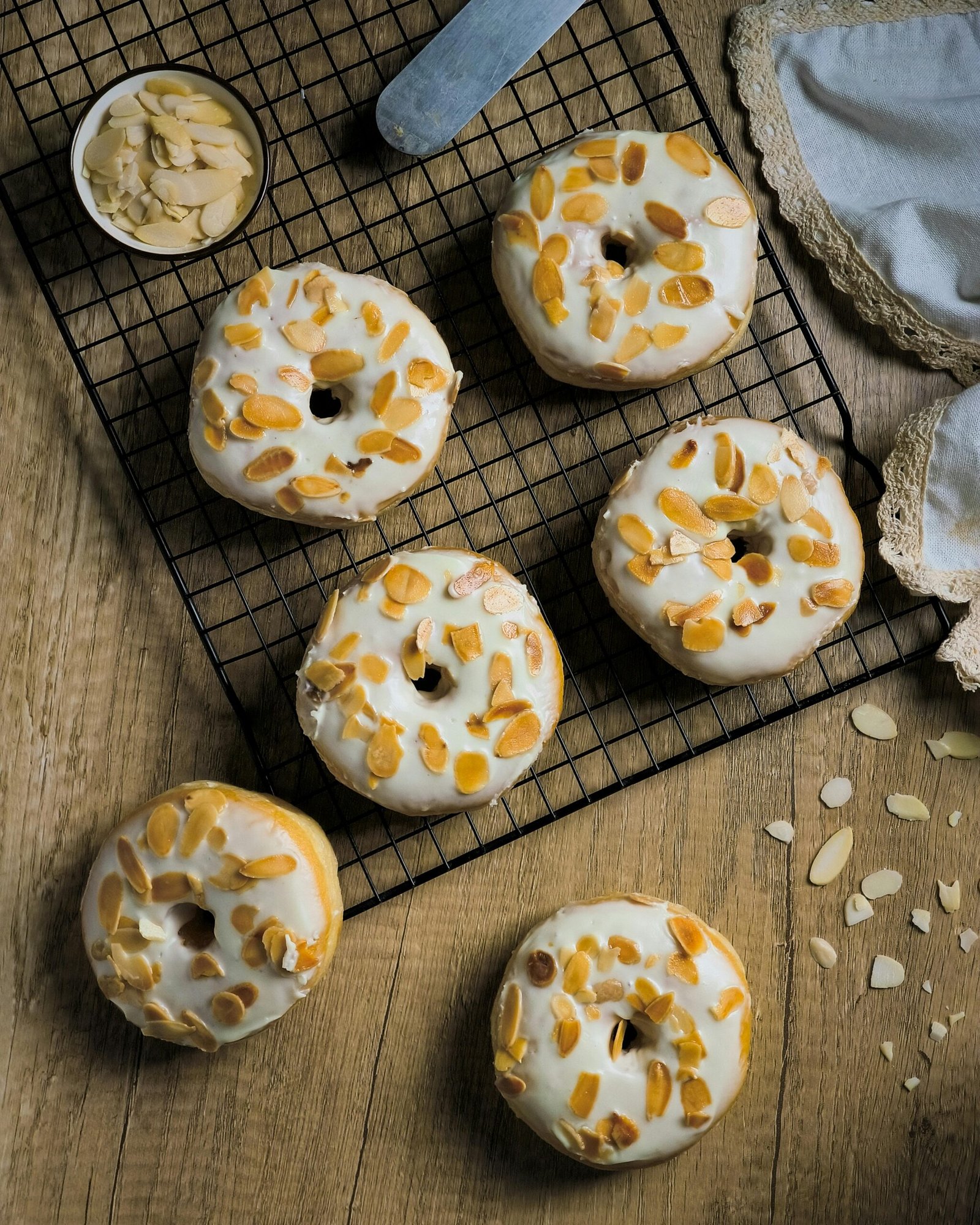
Meta Description: Learn how to make soft and sweet homemade donuts with this easy-to-follow recipe. Perfect for breakfast, snacks, or dessert. Step-by-step tips included for fluffy, melt-in-your-mouth donuts.
Introduction
There’s nothing quite like the warm, sweet aroma of homemade donuts filling your kitchen. These soft, pillowy treats are perfect for breakfast, afternoon snacks, or even as a delightful dessert. While store-bought donuts can be convenient, nothing beats the taste and satisfaction of creating them from scratch. Making donuts at home may seem intimidating at first, but with the right ingredients, step-by-step guidance, and a little patience, you can master this classic treat.
In this article, we’ll walk you through a homemade donuts recipe that guarantees soft, fluffy, and sweet donuts every time. From mixing the dough to frying and glazing, you’ll learn professional tips that turn simple ingredients into bakery-quality delights.
Ingredients You’ll Need
Creating homemade donuts starts with using the right ingredients. For this recipe, you’ll need:
Dry Ingredients
-
3 ½ cups all-purpose flour
-
¼ cup granulated sugar
-
1 tsp salt
-
2 ¼ tsp active dry yeast (1 packet)
Wet Ingredients
-
¾ cup warm milk (around 110°F / 43°C)
-
2 large eggs, room temperature
-
¼ cup unsalted butter, melted
-
1 tsp vanilla extract
For Frying
-
Vegetable oil or canola oil, enough for deep frying
For Glazing
-
2 cups powdered sugar
-
¼ cup milk
-
1 tsp vanilla extract
Optional toppings: Chocolate glaze, sprinkles, cinnamon sugar, or jam filling.
Step-by-Step Homemade Donuts Recipe
Step 1: Activate the Yeast
To ensure your donuts are soft and fluffy, start by activating the yeast. Warm the milk to about 110°F (43°C) and combine it with 1 tsp of sugar and the yeast. Let it sit for 5–10 minutes until it becomes frothy. This indicates that the yeast is active and ready to work its magic in the dough.
Step 2: Prepare the Dough
In a large mixing bowl, combine the flour, remaining sugar, and salt. Gradually add the yeast mixture, eggs, melted butter, and vanilla extract. Mix until a soft dough forms. You can use a stand mixer with a dough hook for convenience or knead by hand for about 8–10 minutes until the dough is smooth and elastic.
Step 3: First Proofing
Place the dough in a greased bowl, cover it with a clean kitchen towel, and let it rise in a warm spot for 1–2 hours or until it doubles in size. Proper proofing ensures that your donuts will be airy and soft.
Step 4: Shape the Donuts
Once the dough has doubled, roll it out on a floured surface to about ½-inch thickness. Use a donut cutter or two round cutters (one large and one small for the hole) to cut out donut shapes. Gather the scraps, re-roll, and cut until all the dough is used.
Step 5: Second Proofing
Place the cut donuts on a parchment-lined baking sheet, cover lightly, and let them rise for another 30–45 minutes. This second proofing step gives donuts that signature light and fluffy texture.
Step 6: Frying the Donuts
Heat oil in a deep fryer or large pot to 350°F (175°C). Fry the donuts a few at a time, about 1–2 minutes per side, until golden brown. Use a slotted spoon to remove the donuts and place them on a paper towel-lined plate to drain excess oil.
Step 7: Prepare the Glaze
While the donuts cool slightly, mix powdered sugar, milk, and vanilla extract in a bowl until smooth. Dip each donut into the glaze, allowing the excess to drip off. Place on a wire rack to set.
Step 8: Optional Toppings
Get creative with toppings! Drizzle chocolate, sprinkle cinnamon sugar, or fill with your favorite jam. Homemade donuts are versatile and can be customized to suit any taste.
Tips for Perfect Homemade Donuts
-
Use fresh yeast: Old yeast can prevent proper rising, leading to dense donuts.
-
Don’t overheat the oil: Too hot, and donuts burn on the outside while remaining raw inside.
-
Knead well: Proper kneading develops gluten, giving your donuts structure and softness.
-
Proof in a warm area: Cold environments slow yeast activity, resulting in dense donuts.
-
Experiment with flavors: Add cocoa powder, nutmeg, or citrus zest to the dough for unique twists.
Healthier Variations
While classic fried donuts are irresistible, you can try these healthier alternatives:
-
Baked Donuts: Reduce oil by baking donuts at 375°F (190°C) for 10–12 minutes.
-
Whole Wheat Donuts: Substitute half of the all-purpose flour with whole wheat flour for added fiber.
-
Sugar-Free Glaze: Use a sugar substitute like stevia or monk fruit sweetener for the glaze.
Why Homemade Donuts Are Better Than Store-Bought
Making donuts at home gives you complete control over ingredients, freshness, and flavor. Unlike store-bought donuts, homemade ones don’t contain preservatives or artificial flavors. You can adjust sweetness, experiment with fillings, and ensure each batch is perfectly fresh. Plus, there’s a certain joy in baking and sharing donuts with family and friends that store-bought options can’t match.
Storing Your Donuts
-
Room Temperature: Store in an airtight container for up to 2 days.
-
Refrigeration: Keep in the fridge for up to 5 days, though they’re best fresh.
-
Freezing: Freeze unfrosted donuts in a sealed container for up to 1 month. Thaw and re-glaze before serving.
Conclusion
Homemade donuts are a delightful treat that brings joy to any occasion. With this recipe, you can make soft, sweet, and fluffy donuts that rival bakery quality. From mastering the dough to experimenting with glazes and toppings, every step allows you to enjoy the process and the delicious results. Whether for a weekend breakfast, a special celebration, or just to satisfy your sweet tooth, these donuts are guaranteed to impress.
Start your donut-making journey today and discover how easy it is to create bakery-quality treats right in your own kitchen!